Opening a Restaurant? The Complete Tableware & Crockery Checklist
Every new restaurant owner asks the same question during fit-out: "How much crockery do I actually need?" There's no single right answer pulled from a generic checklist — the real answer comes from your own menu and your own seating count. A 40-cover all-day café and a 40-cover fine-dining room need completely different table settings, even though the seat count is identical. One needs sturdy mugs and stackable plates that survive back-to-back turns; the other needs presentation plates, B&B plates, and several glass shapes for a longer, slower cover.
This is the checklist we wish every first-time operator had before placing their opening order: every category of tableware you'll need, how to size quantities using par levels instead of guesswork, and where to spend versus where to save. Work through it against your own menu and cover count, and you'll walk into your bulk order knowing exactly what to ask for.
The Golden Rule: Menu and Covers, Not a Generic List
Before you order a single plate, answer two questions honestly: how many covers do you seat at once, and what does your menu actually put on the table? A steakhouse needs steak knives and large presentation plates; a South Indian breakfast joint needs katoris and tiffin-style plates instead. A cocktail-forward bar needs five or six glass shapes; a quick-service counter needs almost none. Every list in this guide is a starting point — your menu is the filter that decides your final quantities and item mix.
Getting this right matters financially both ways. Over-ordering ties up cash in a storeroom you don't need; under-ordering means a Saturday night where the pass is waiting on clean side plates. Sizing it correctly the first time saves money and a very stressful opening week.
Understanding Par Levels
A par level is the quantity of an item you keep in circulation to run a full service without running out mid-shift. The starting formula is simple:
Par level = seats in service × a multiplier
The multiplier covers three things: how long an item takes to travel from table to dish pit and back (your wash cycle), what the kitchen holds in mise-en-place before service starts, and a buffer for breakage and loss. As sensible starting points:
- Crockery: roughly 2–3× your seated covers. A plate is always split between the table, the dish pit, and mise-en-place, so your full stock is never available at once.
- Glassware: push the multiplier higher than crockery, because glass breaks far more often than crockery does — budget a bigger buffer here than feels intuitive.
- Cutlery: the most generous multiplier of all. Cutlery walks off — into bins with food scraps, into takeaway bags, occasionally into a guest's pocket — so order well beyond your seated count.
Your exact multiplier shifts with three variables: table turnover speed (faster turnover needs more stock in rotation, since more covers cycle through the same wash window), menu length (a five-course tasting menu touches far more plates per cover than a single-plate lunch), and your on-site dishwashing capacity. A venue with a slow glasswasher needs a bigger glassware par than an identical venue with a high-throughput machine.
Crockery Checklist
Cover these before anything else — they're what a guest sees and handles most:
- Dinner / presentation plates
- Quarter or side plates
- Dessert plates
- Bread & butter (B&B) plates
- Soup and pasta bowls
- Katoris or curry bowls
- Serving platters
- Tea cup and saucer sets
- Coffee mugs
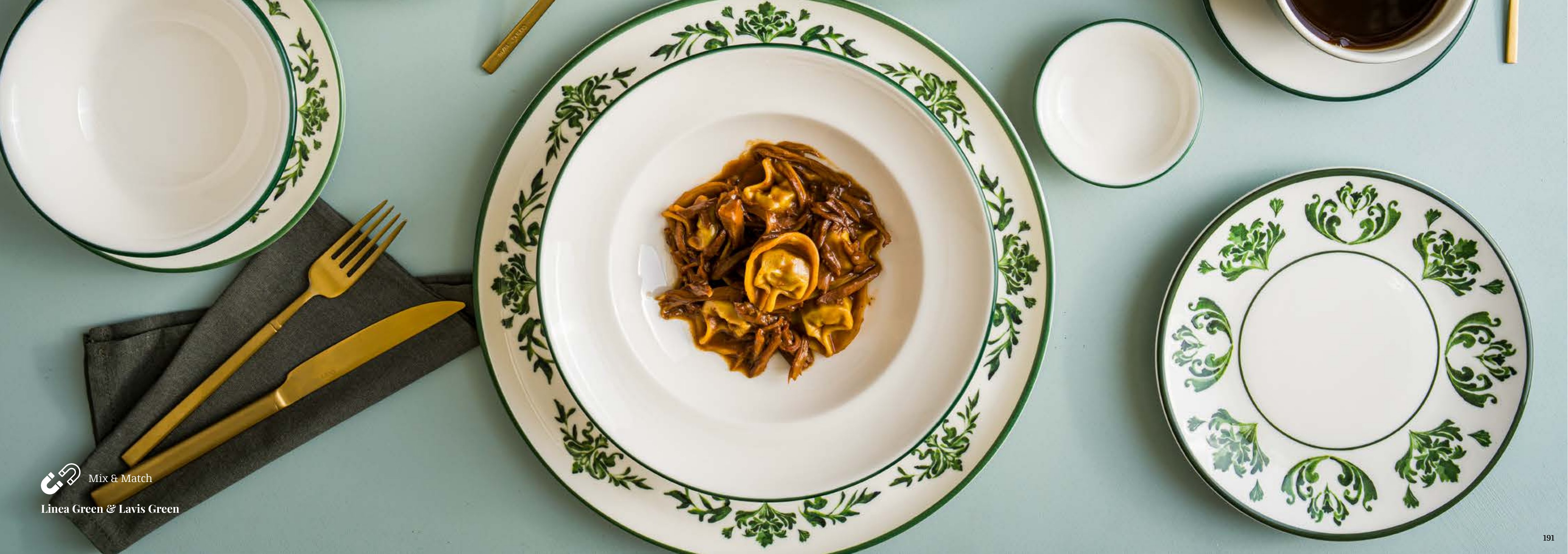
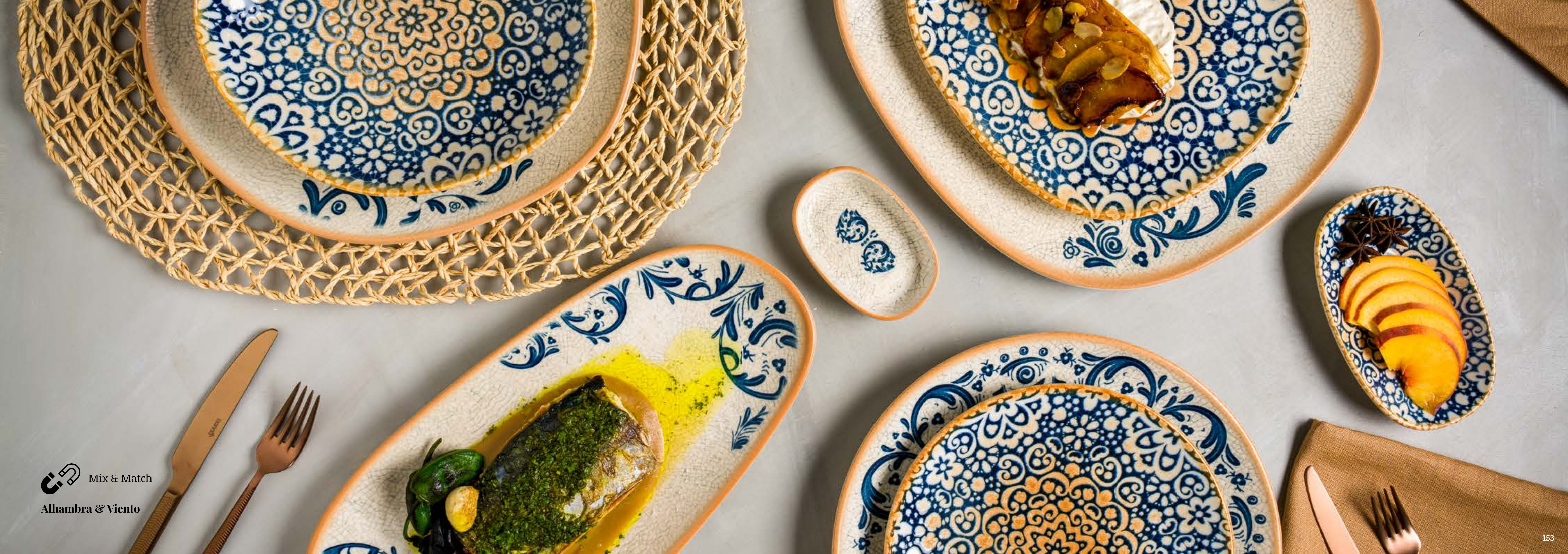
Menus with Indian dishes should not skip katoris — they're one of the most under-ordered items by first-time operators sourcing from international catalogues built around Western place settings. Ranges like Bonna and Onis cover this full spread in durable, stackable, open-stock lines built for repeat commercial washing. Browse the full spread in our crockery collection.
Glassware Checklist
Glassware sees the highest breakage of any category on this list, so plan generously:
- Water glasses
- All-purpose wine glasses
- Highball glasses
- Rocks / old-fashioned glasses
- Juice glasses
If you're licensed to pour alcohol, add the bar-specific shapes covered below. For the core list above, Paşabahçe, Ocean Glass, and Bormioli Rocco all offer toughened, commercial-grade options built to hold up under daily dishwasher cycles — see the full range in our glassware collection.
Cutlery Checklist
Order cutlery in the fullest quantities on this entire list:
- Table forks, spoons, and knives
- Dessert forks and spoons
- Tea spoons
- Soup spoons
- Steak knives, if steak or grilled mains feature on the menu
- Serving spoons, forks, and tongs
Metinox is a dependable pick for commercial cutlery that holds its finish through heavy daily use — see the full range in our cutlery collection.
Barware Checklist (If You're Licensed to Serve Alcohol)
A licensed bar needs its own dedicated stock, sized separately from your dining-room glassware:
- Cocktail glasses — coupe, martini, and other shapes matched to your cocktail menu
- Shakers and jiggers, kept stocked so a busy rush never leaves a bartender waiting on a clean one
- Beer glasses — pint and/or pilsner, depending on what you pour
Our barware collection covers this full set, sized for both standalone bars and restaurant bar programmes.
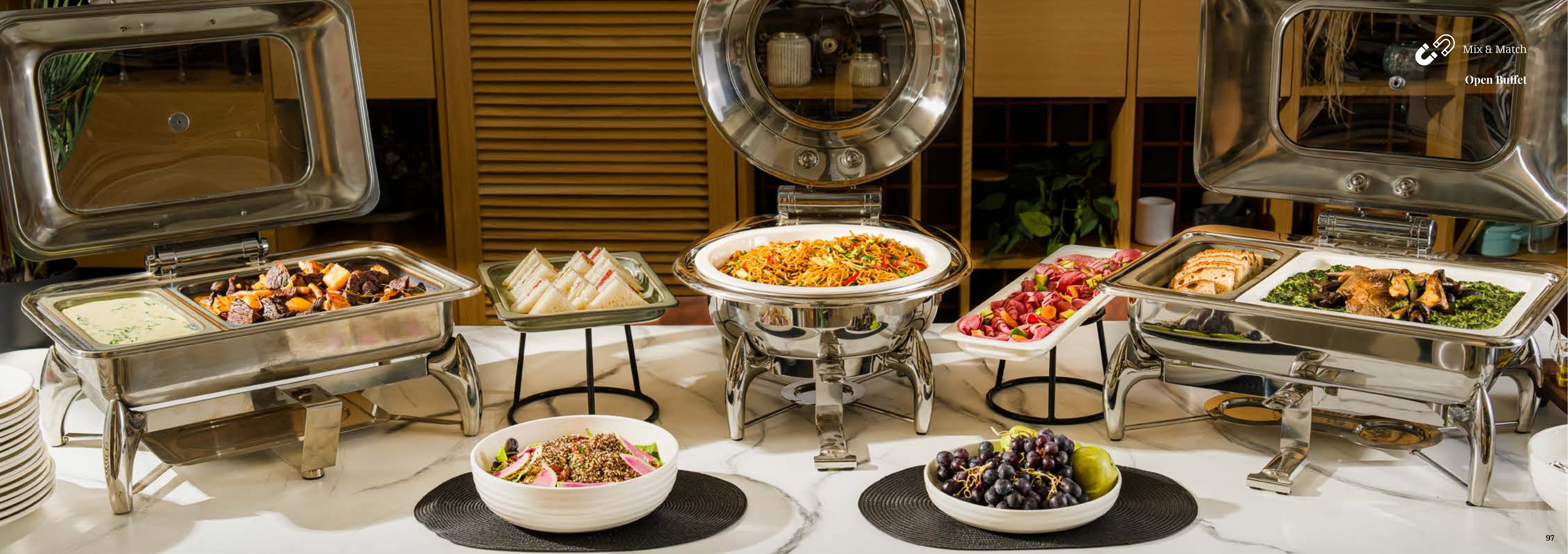
Serveware & Buffet Essentials (If You Run Buffet or Banquet Service)
Buffet and banquet formats need equipment that never shows up on an à la carte checklist:
- Chafing dishes
- Large serving platters
- Risers, to build height and visual interest along the buffet line
- Serving spoons, ladles, and tongs
Size these to your buffet line length and expected covers per seating, not your total dining-room capacity.
Back-of-House Stock
Don't let your par-level math live entirely on the dining floor — kitchens need their own separate stock:
- Extra bowls for prep and mise-en-place plating
- A held-back spare set of your most-used items, so a breakage spike mid-service never pulls floor stock below par
The Complete Checklist at a Glance
| Category | Essential Items | Par-Level Guidance |
|---|---|---|
| Crockery | Dinner/presentation, quarter/side, dessert, B&B plates; soup/pasta bowls; katoris; platters; tea cup & saucer; coffee mugs | ~2–3× seated covers |
| Glassware | Water, all-purpose wine, highball, rocks, juice | Higher than crockery — breakage-driven |
| Cutlery | Table fork/spoon/knife, dessert fork/spoon, tea spoon, soup spoon, steak knife, serving pieces | Most generous multiplier — cutlery walks off |
| Barware (if licensed) | Cocktail glasses, shakers/jiggers, beer glasses | Sized to bar covers, separate from dining glassware |
| Serveware/buffet (if applicable) | Chafers, platters, risers, serving spoons | Sized to buffet line length, not total covers |
| Back-of-house | Prep bowls, spares of high-use items | Held back from floor stock, replenished continuously |
Use this table as your master shopping list, then apply the multipliers from the par-levels section above to your own seating plan.
Budgeting & Phasing: Where to Spend, Where to Save
Not every item deserves the same budget line. Spend on the pieces guests actually notice — the dinner plate their main course lands on, the wine glass in their hand, a signature bowl for your hero dish. These are what get photographed and what set the tone for the whole meal.
Save on the pieces that do their job invisibly: back-of-house prep bowls, everyday water glasses, high-volume banquet stock. Nobody remembers the water glass; everybody remembers a chipped presentation plate.
Most operators land on a good/better/best structure — durable, budget-friendly pieces like Stehlen for everyday and back-of-house use, a mid-tier for the bulk of the dining room, and a design-forward option like NUDE reserved for guest-facing hero pieces. Whatever tier you choose, standardise on open-stock ranges rather than boxed retail sets. Open stock means you can reorder a single broken plate instead of an entire set, which is what keeps a busy kitchen's tableware looking consistent a year in. If you want a look that's entirely your own, our custom programme can build branded or bespoke pieces around your concept.
Timeline: Getting the Order Right Before Opening Day
Tableware is not a last-week item — build it into your fit-out timeline the same way you'd plan kitchen equipment:
- Order lead times: bulk crockery, glassware, and cutlery, especially imported ranges, need real production and shipping time. Start sourcing as soon as your menu and covers are close to final, well ahead of your opening date.
- Sample before you commit: request samples of your shortlisted pieces before placing a bulk order. Colour, weight, and finish can look different in hand than in a catalogue photo, and it's far cheaper to catch a mismatch on a sample than across your whole bulk order.
- Consolidate with one supplier: sourcing crockery, glassware, cutlery, and barware from a single supplier gets you a matched look across categories and one slab quote to plan your budget against, instead of chasing several vendors on several timelines. Browse our full range across collections to see what a single-supplier fit-out can cover.
Ready to size your own order? Send us your menu and your seated cover count and we'll put together a full wholesale quote built around your actual par levels, not a generic list. Reach out via our contact page or WhatsApp us directly at +91 95152 27616.
Frequently Asked Questions
Sourcing tableware for your venue in Bangalore?
Browse 11,000+ pieces across 12 premium brands, or send us your list for a wholesale quote.