Indian Restaurant Tableware: Thali, Katori & Curry Service Explained
A well-set thali does a lot of quiet work. It portions the meal, keeps the dal out of the sabzi, cues the guest on how much they're getting, and — done right — makes a simple veg meal feel generous. But behind that plated moment sits a genuine buying decision: how many katoris, in what material, at what weight, that will survive a few hundred wash cycles a week. This guide breaks down the pieces of an Indian thali service, the material trade-offs, and how to buy them for a busy kitchen.
The anatomy of a thali service
"Thali" means plate, but in the trade it refers to the whole composed set — a large plate or tray with an arrangement of small bowls and accompaniments. Each piece has a job, and most Indian restaurants standardise a "thali kit" so any station can plate the same meal the same way.
Here is the core piece list, what each does, and the materials it commonly comes in.
| Piece | What it's for | Common materials |
|---|---|---|
| Thali plate / tray | The base; rice, roti and bowls sit on it | Stainless steel, melamine, porcelain |
| Katori (small bowl) | Dal, sabzi, kadhi, raita, kheer | Steel, melamine, porcelain |
| Quarter plate | Roti, papad, dry snacks, dessert | Steel, melamine, porcelain |
| Curry server / handi | Table service of gravy dishes, sharing portions | Steel, copper-look, porcelain |
| Rice / biryani serveware | Bulk rice, pulao, biryani at the table | Steel platter, porcelain bowl |
| Papad stand | Presents papad upright, saves plate space | Steel, wood, acrylic |
| Pickle & chutney dish | Small fixed portions of achar, chutney | Steel, melamine, porcelain |
| Finger bowl | Rinsing fingers after a hands-on meal | Steel, glass, porcelain |
Not every restaurant carries all of these — a QSR meals joint may run a plate and four katoris and nothing else, while a fine-dine North Indian room will use handis, finger bowls and porcelain quarter plates. Build the kit to your format, not to a catalogue.
Katoris: sizes and how many
The katori is the workhorse. Standard restaurant katoris fall into roughly three sizes: a small ~120–150 ml bowl for pickle, chutney and dessert; a medium ~200–250 ml bowl for dal, raita and most sabzis; and a large ~300 ml+ bowl for a generous gravy or a soupy dal. Most kitchens stock two sizes and use the medium as their default.
How many katoris a thali needs depends on the meal. A rule of thumb:
- Simple veg thali: 3 katoris (dal, one sabzi, raita or sweet)
- Standard veg/non-veg thali: 4–5 katoris (dal, two sabzis, raita, sweet)
- Special / festive thali: 6–7 katoris (add a second gravy, a kheer, a chutney)
For inventory, plan for more katoris than plates — a common ratio is 5 to 6 katoris per thali plate in circulation, so you always have clean bowls while others are in the wash. Small pieces are also the ones that go missing, so over-order katoris and pickle dishes.
Steel vs melamine vs porcelain: the real trade-off
This is the decision most owners get stuck on. Each material earns its place; the right answer depends on your format, your budget and how the plate is meant to feel to the guest.
| Factor | Stainless steel | Melamine | Porcelain |
|---|---|---|---|
| Look / feel | Traditional, canteen-to-classic | Bright colours, can mimic stone or ceramic | Premium, restaurant-grade, elegant |
| Durability | Near-unbreakable, dents over years | Won't shatter, scratches and stains over time | Chip-resistant hotelware, but breakable |
| Weight | Light | Light | Heavier, feels substantial |
| Heat | Conducts heat — hot to hold | Stays cool, but not for oven/microwave | Handles hot food, oven-safe grades exist |
| Upfront cost | Low to moderate | Low | Higher |
| Best for | Meals joints, thali counters, high-volume QSR | Cafés, casual dining, outdoor and buffet | Fine dining, hotels, premium thali |
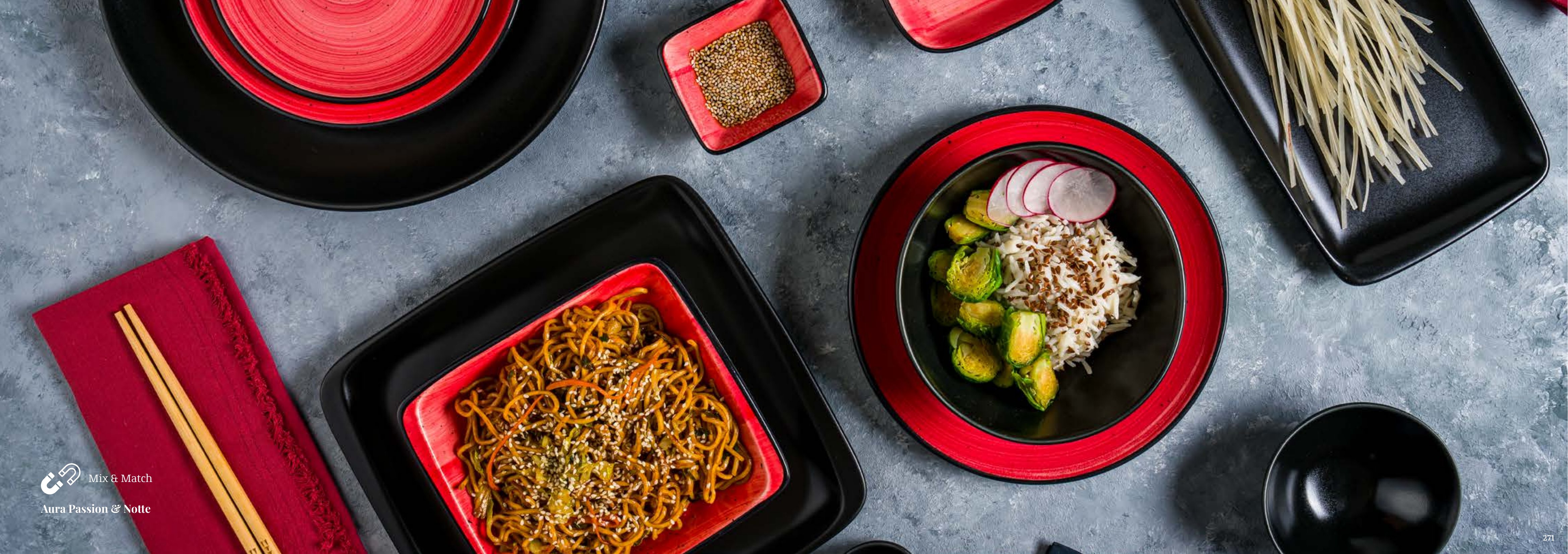
A few practical notes from the floor. Stainless steel is the default for high-turnover thali counters because it is hard to damage and cheap to replace — the trade-off is the canteen look and the fact that it gets hot with a fresh dal. We stock professional stainless-steel thali plates, katoris and serveware for exactly this segment. Melamine is the value pick for casual and buffet service: it is light, colourful and won't break when a busboy drops a tray, but it scratches, stains with turmeric over time and should never go near a microwave — budget to cycle it out every year or two. We carry restaurant-grade melamine ranges for cafés and casual rooms.
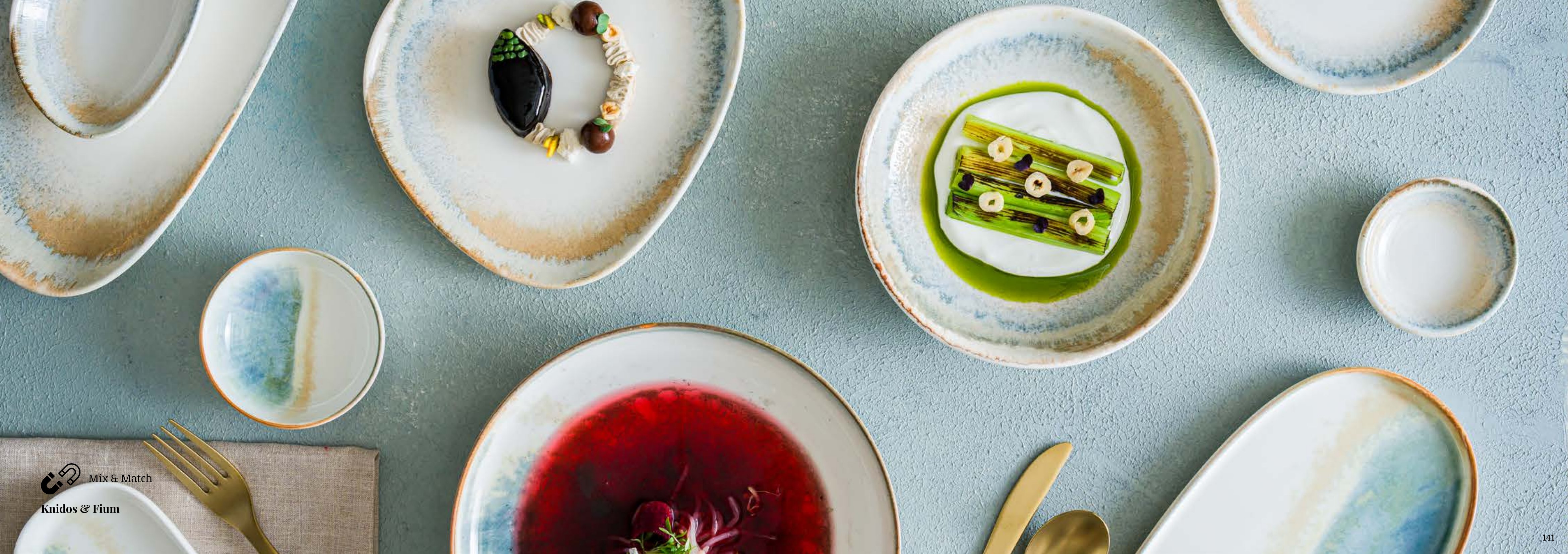
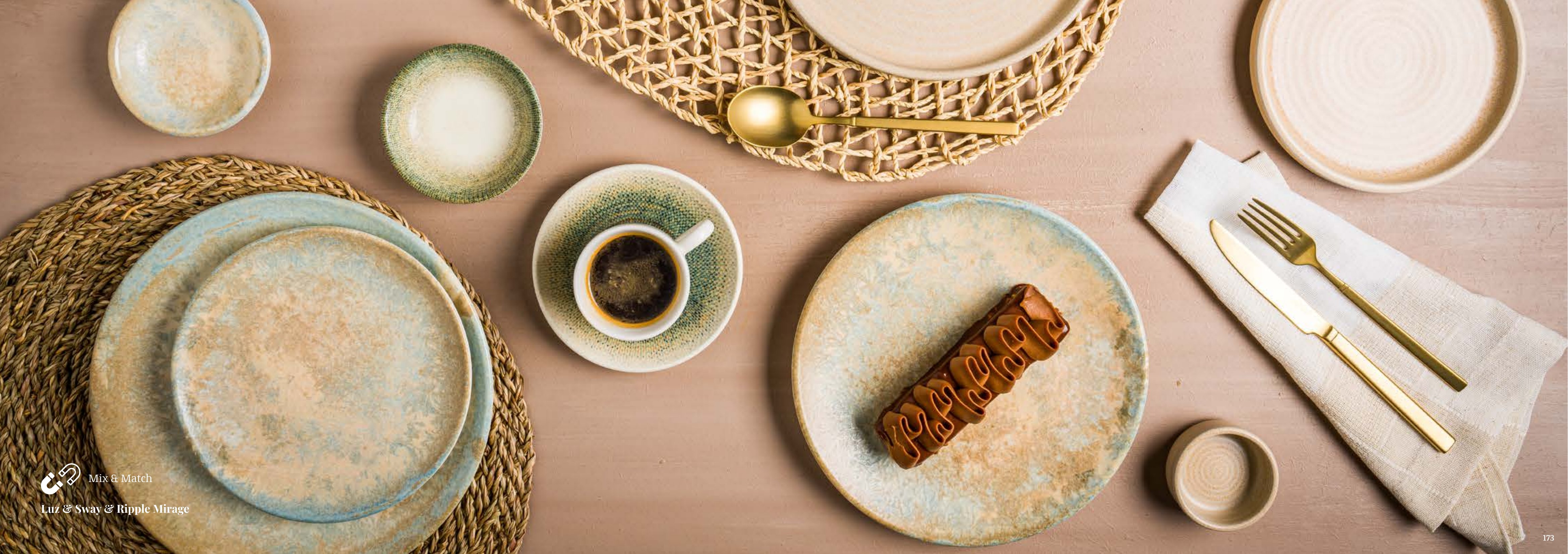
Porcelain is where you upgrade the guest's perception. A porcelain thali, katori set and quarter plate reads as fine dining and photographs well, which matters for a premium veg thali you want to charge more for. Our porcelain hotelware — including ranges from Bonna and Onis — offers plates and bowls built for commercial wash cycles and edge-chip resistance, a real step up from lighter retail ceramic that chips quickly under heavy service. It is heavier and breakable, so it suits sit-down formats over grab-and-go. You can browse the full crockery range to compare bowl shapes and sizes side by side.
Regional service styles: meals plate vs thali
Two broad service styles shape what you buy.
The South Indian "meals" plate is traditionally served on a banana leaf or a large stainless-steel plate with the accompaniments — sambar, rasam, poriyal, kootu, curd — either in small katoris or ladled directly onto the plate in a set order. Rice is central and refilled. If you run a meals format, prioritise large plates, plenty of small-to-medium katoris and generous curry servers for unlimited refills.
The North Indian thali is more composed and bowl-forward: dal makhani, a paneer gravy, a dry sabzi, raita and a sweet each in its own katori, with rotis and rice on the plate or in a separate bread basket. Finger bowls and handi-style servers appear more often here, especially at dinner. Porcelain plays well in this format.
Neither is "better" — but they buy differently, so decide your service style before you fix the kit.
Buying thali tableware in bulk
For a busy Indian restaurant, a few principles keep costs and breakage under control:
- Standardise on one or two SKUs per piece. Mixed katoris look untidy and can't be stacked or replaced cleanly. Pick a bowl and a plate and buy deep.
- Buy for the wash cycle, not the cover count. You need enough pieces in rotation to cover peak plus everything sitting dirty. The 5–6 katoris-per-plate ratio above is a safe start.
- Match stacking to your shelf. Stackable katoris and nesting plates save enormous storage and speed up plating — a real factor at 200 covers a night.
- Plan replacement, don't fear it. Steel and porcelain last for years; melamine is consumable. Reordering the same SKU should be one message, not a hunt.
Because we're a multi-brand distributor, you can mix a steel base kit with porcelain for your premium thali and glass finger bowls in a single order — see the full catalogue or tell us your format and cover count and we'll build the list for you. If you want your logo on porcelain thali plates or steel katoris, we can also arrange custom branding.
Whether you're kitting out a new meals counter or upgrading to a porcelain thali service, we can quote you wholesale rates across steel, melamine and porcelain in one place. Send your requirement via our contact page or WhatsApp +91 95152 27616, and we'll help you spec the right pieces and quantities for your covers.
Frequently Asked Questions
Sourcing tableware for your venue in Bangalore?
Browse 11,000+ pieces across 12 premium brands, or send us your list for a wholesale quote.