Melamine Tableware: When It's the Smart Choice (and When It Isn't)
Walk through the plating area of any poolside bar, hotel food court, or banquet transport line and you will spot it: crockery that looks like ceramic but bounces instead of breaking. That is melamine, and for the right venue it is one of the smartest, most cost-effective choices in HoReCa tableware. For the wrong dish, though, it is a mistake that ends in a warped, crazed plate. This guide explains exactly what melamine is, where it earns its place, where porcelain or opalware should win instead, and how to tell food-grade melamine from the cheap stuff that gives the material a bad name.
What melamine tableware actually is
Melamine is a thermoset plastic — melamine resin moulded under heat and pressure into a hard, dense, non-porous surface. Unlike the flimsy polypropylene used in disposable picnic ware, quality melamine is rigid, has real weight in the hand, and carries a ceramic-like glaze that takes vivid colours, patterns and stone or wood-grain finishes. It is the material behind a huge slice of the "virtually unbreakable" crockery you see at resorts, buffets and quick-service counters.
The key thing to understand is that thermoset means "set by heat" and cannot be re-melted. That is what makes it tough and heat-tolerant enough to serve hot food — but it is also why it must never be treated like ceramic in a microwave or oven.
The strengths: why operators choose melamine
Virtually unbreakable and impact-resistant
This is the headline benefit. Drop a melamine plate on a hard floor and it usually survives. For high-traffic, high-breakage environments — food courts, poolsides, kids' sections — that alone can transform your replacement costs. Less breakage also means fewer safety hazards from shattered ceramic near guests and bare feet.
Lightweight and stackable
Melamine weighs a fraction of porcelain. Servers carry taller stacks with less fatigue, room-service and banquet trolleys move faster, and shelving takes less load. For buffet lines and outdoor catering, the weight saving is felt every single shift.
Looks like ceramic, priced sensibly
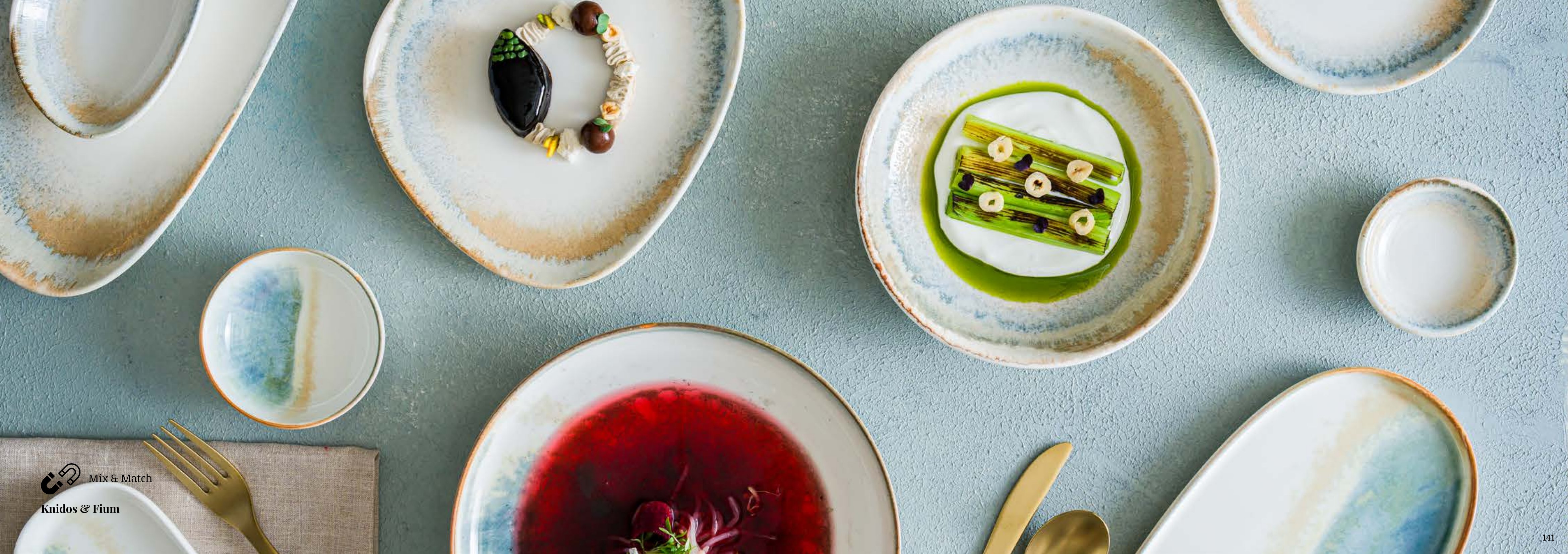
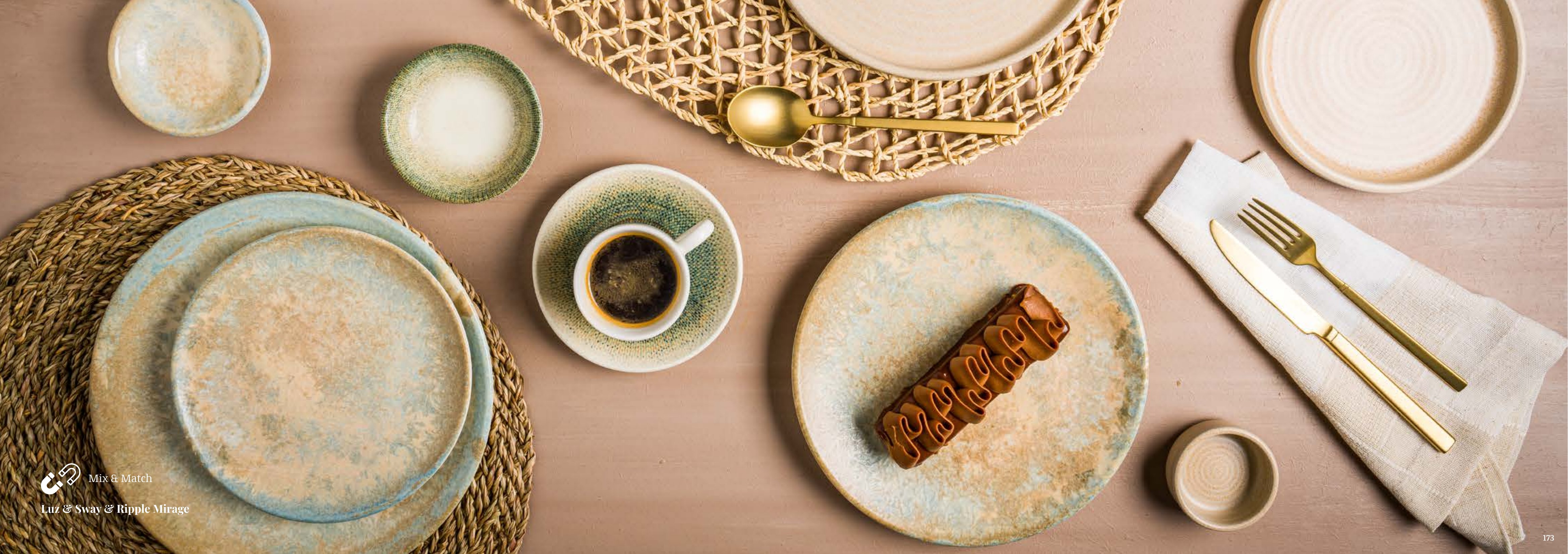
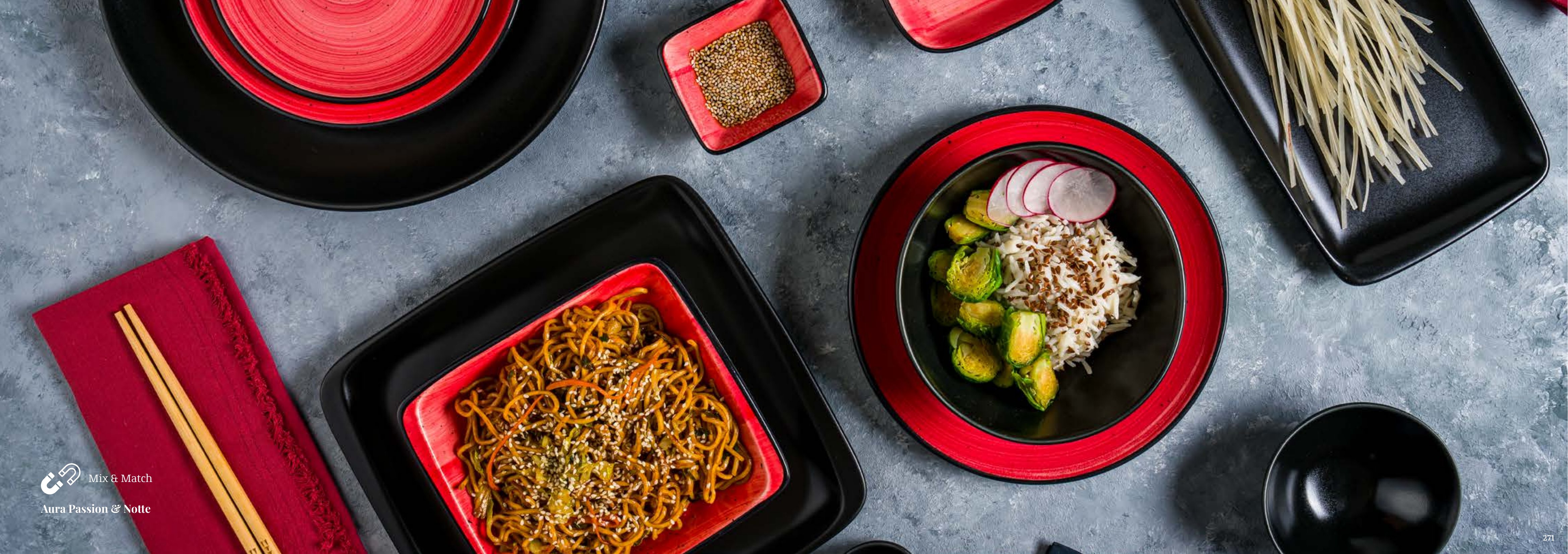
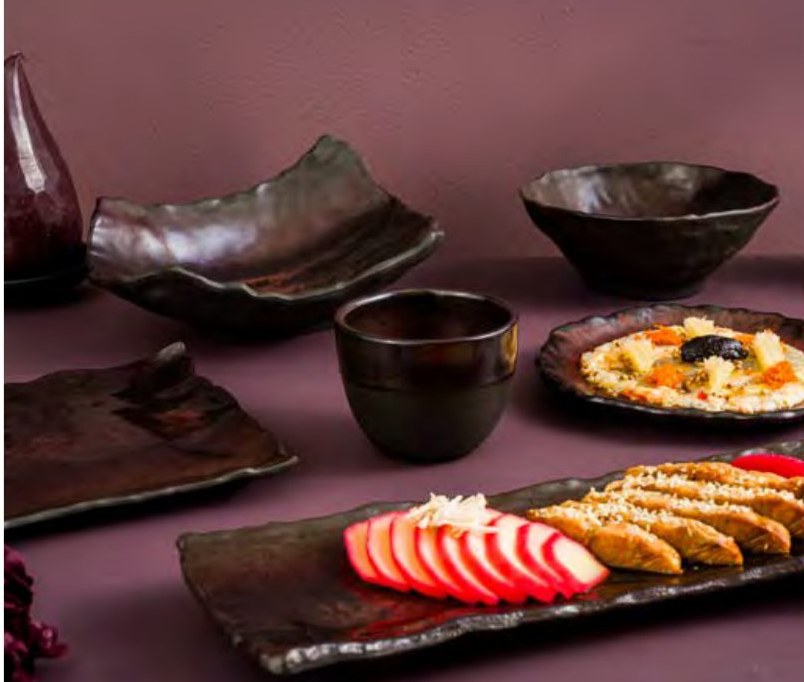
Modern melamine is convincing. Matte slate, textured stoneware looks, crisp white, deep colours — the design range is enormous and hard to match in real ceramic at the same price. It lets a casual or themed concept plate attractively without a premium-porcelain budget.
Cool to touch and hard-wearing in service
Melamine does not conduct heat the way metal does, so a plate of hot food stays comfortable to carry. The surface resists scratching from normal cutlery use and shrugs off the knocks of stacking and transport far better than glazed ceramic edges.
The hard limits: where melamine does not belong
Melamine is excellent until it meets sustained high heat. Its rules are simple but non-negotiable:
- Never microwave it. Melamine is not microwave-safe. It heats unevenly, can crack and scorch, and the surface degrades. This is the single most important rule to train staff on.
- Never use it in an oven, salamander or under a grill. It is serveware, not cookware.
- Keep it away from prolonged very-high heat. Brief contact with hot food is fine; parking it under heat lamps for long stretches or filling it with rapidly boiling liquid is not. Repeated abuse causes crazing (fine surface cracks) and staining.
- Quality is not optional. Buy only food-grade melamine from a known source. Properly cured, food-grade melamine is stable and safe for serving; poorly made, under-cured product is what earns melamine its bad reputation. This is exactly why the brand and grade you buy matter.
Because of the microwave limit, melamine is a poor fit anywhere reheating at the pass or table is part of service. Many cloud kitchens plating for dine-in, for instance, are better served by opalware or porcelain.
Where melamine tableware is the smart choice
Melamine earns its keep wherever durability, weight and design flexibility matter more than fine-dining prestige or microwaving:
- Poolside, rooftop and outdoor dining — no shatter risk near water and bare feet; wind and knocks are non-issues.
- QSR, food courts and cafeterias — high volume, high breakage, tight margins, where melamine's replacement economics shine.
- Room service and banquet transport — light, stackable and it travels well on trolleys down long corridors.
- Buffets and live counters — big platters and bowls that would be heavy and fragile in porcelain.
- Kids' menus and family sections — safe, colourful and forgiving of drops.
- Cruise, resort and outdoor catering — motion, wind and rough handling, where ceramic simply loses.
You can see the shapes and finishes — including food-grade melamine ranges such as Stehlen — in our melamine and crockery range.
Melamine vs porcelain vs opalware
Different jobs call for different materials. Here is how the three most common HoReCa crockery choices compare, so you can match the material to the venue rather than forcing one everywhere.
| Factor | Melamine | Porcelain (e.g. Bonna) | Opalware (e.g. Arcoroc) |
|---|---|---|---|
| Durability | Highest — near-unbreakable, resists drops | Good — strong but edges can chip | Very good — tempered, chip-resistant |
| Look & feel | Ceramic-like; huge colour and texture range | Premium, refined, true hotelware finish | Clean, bright white, lightweight |
| Microwave-safe | No | Yes (most) | Yes |
| Oven / high heat | No | Yes (many are oven-safe) | Limited |
| Weight | Lightest | Heaviest | Light |
| Relative cost | Low–mid | Mid–premium | Low–mid |
| Best use | Outdoor, QSR, buffets, transport, kids | Fine and premium-casual dining, hotels | Cafés, everyday high-volume dining |
The takeaway: use melamine where it is strong, reach for Bonna porcelain when the setting calls for genuine premium presentation, and consider Arcoroc opalware when you want a bright, microwave-friendly everyday plate at a sensible price. Most operations end up with a considered mix rather than one material everywhere.
How to spot good melamine from cheap melamine
Not all "unbreakable" plates are equal. Before you commit to a bulk order, check for these markers of food-grade quality:
- Weight and rigidity — good melamine feels dense and does not flex; thin, bendy plates are usually low-resin filler.
- A smooth, even glaze — no tacky feel, rough patches, rippled surfaces or chemical smell.
- Clear food-grade labelling — reputable ranges state food-grade or food-safe use and their heat limits.
- A clean tap tone and finished rim — well-finished edges resist chipping and staining.
- A supplier who stands behind it — re-orderable stock, consistent batches, and honest guidance on where the range should and should not be used.
Caring for melamine so it lasts
Melamine rewards simple discipline. It handles commercial dishwasher cycles well, but skip metal scourers and abrasive pads that scratch the glaze — scratched melamine stains faster and looks tired sooner. Rinse off strongly staining foods promptly rather than letting them sit: turmeric-heavy curries, tandoori marinades, tomato gravies, beetroot and strong tea are the usual culprits in Indian kitchens. A periodic soak in a diluted, dishwasher-safe brightener lifts most tea and curry stains. And enforce the golden rule with every new hire — no microwave, no oven, no open flame.
Handled this way, a good melamine range gives years of service in exactly the settings where ceramic would cost you a fortune in breakage.
Get the right mix for your venue
Melamine is not "better" or "worse" than porcelain — it is the right tool for specific jobs. The smartest F&B operations use each material where it wins: melamine outdoors and at volume, porcelain where presentation matters, opalware for bright everyday service. Tell us your format and cover count and we will build a tableware list that puts the right material on every table, then quote it in bulk. Browse our full crockery collection, explore custom and branded options, or request a wholesale quote — or message us on WhatsApp at +91 95152 27616.
Frequently Asked Questions
Sourcing tableware for your venue in Bangalore?
Browse 11,000+ pieces across 12 premium brands, or send us your list for a wholesale quote.