How to Set a Restaurant Table: A Complete Place-Setting Guide
A well-set table does quiet, persistent work. Before a single dish arrives, the cover tells a guest how formal the meal will be, how much care the kitchen takes, and — honestly — roughly what they should expect to pay. Get it right and service flows: servers clear in the correct order, guests reach for the right fork without thinking, and the room reads as intentional. Get it wrong and even excellent food can feel careless.
This guide covers how to set a restaurant table for casual, formal and fine-dining service, where every piece goes, how an Indian thali cover is laid, and how the setting you choose quietly decides how much crockery, cutlery and glassware each cover needs.
Reading a Standard Cover (a diagram in words)
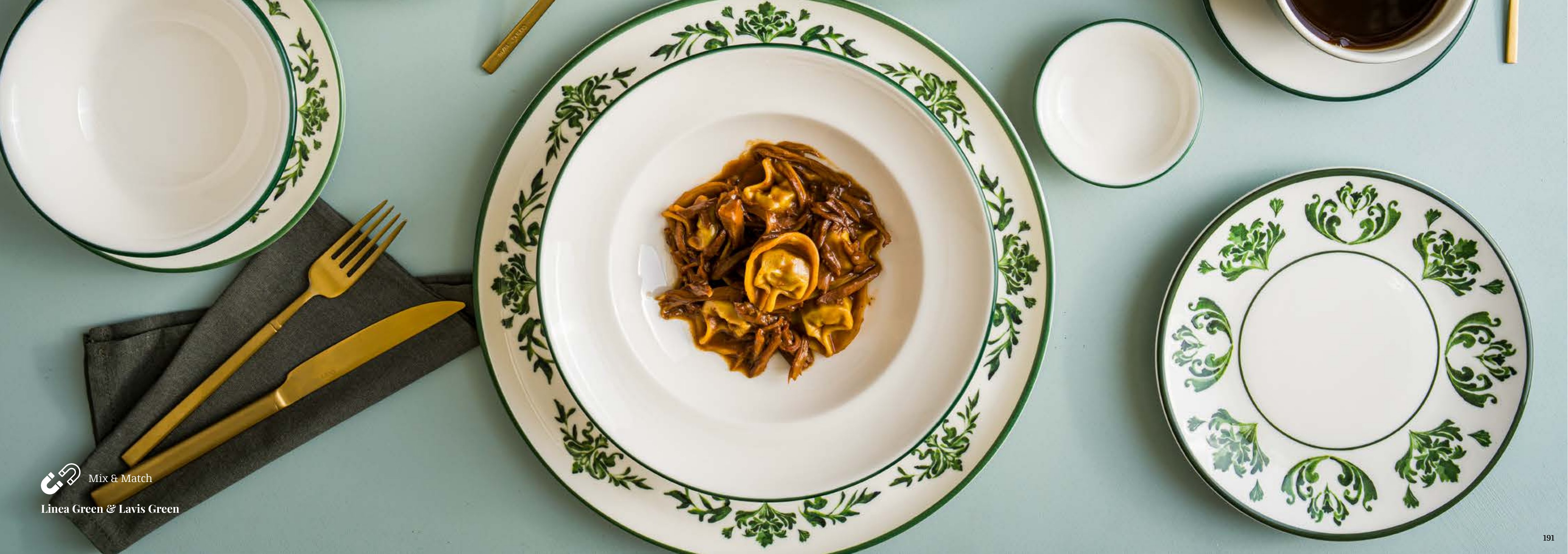
Picture a single place setting — one "cover" — from the guest's seat:
- The dinner plate (or a charger with the plate on top) sits centred, about a thumb's width from the table edge.
- Forks go to the left, tines up, lined up along their bases.
- Knives and spoons go to the right. Knife blades always face inward, toward the plate — both a courtesy and a safety convention.
- Cutlery is arranged outside-in: the first course's utensils sit farthest from the plate, so a guest simply works inward, course by course.
- The bread & butter plate sits above the forks, upper-left, often with a small butter knife laid across it.
- Glassware goes above the knives, upper-right: water glass first, then wine or other glasses angled down toward the right.
- The dessert spoon and fork are placed horizontally above the dinner plate — spoon on top (handle to the right), fork below (handle to the left).
- The napkin goes on the plate or charger, or to the left of the forks.
Memorise one rule and the rest follows: forks left, knives and spoons right, drinks up top, dessert overhead — and always work from the outside in.
A quick left/right memory trick
Your food is on the left and your drinks are on the right — the bread plate sits to your left, the water glass to your right. That single habit stops guests reaching for a neighbour's bread or glass, and it tells the server which side to clear from.
Casual vs Formal vs Fine-Dining
The number of pieces on the table rises with the formality of the meal. Casual settings stay lean and fast to reset; fine dining pre-sets more, then adjusts per course.
| Setting type | Plates | Cutlery | Glassware | Napkin / extras |
|---|---|---|---|---|
| Casual / café | Dinner plate | Dinner fork, dinner knife (spoon if needed) | One tumbler or water glass | Paper or simply folded napkin |
| Formal (à la carte) | Charger or dinner plate + B&B plate | Dinner + starter fork, dinner + starter knife, soup spoon | Water glass + one wine glass | Cloth napkin, side plate, butter knife |
| Fine dining (multi-course) | Charger, dinner plate, B&B plate, dedicated course plates | Two-plus forks, two-plus knives, soup + dessert spoons, dessert fork | Water goblet + red and white wine, often a flute | Pressed cloth napkin, butter knife, place card |
A quick planning rule: casual runs roughly 2–3 pieces of cutlery per cover, formal 5–6, and fine dining 7 or more — before you add any shared serving pieces.
Where Every Piece Actually Goes
Plates and the charger
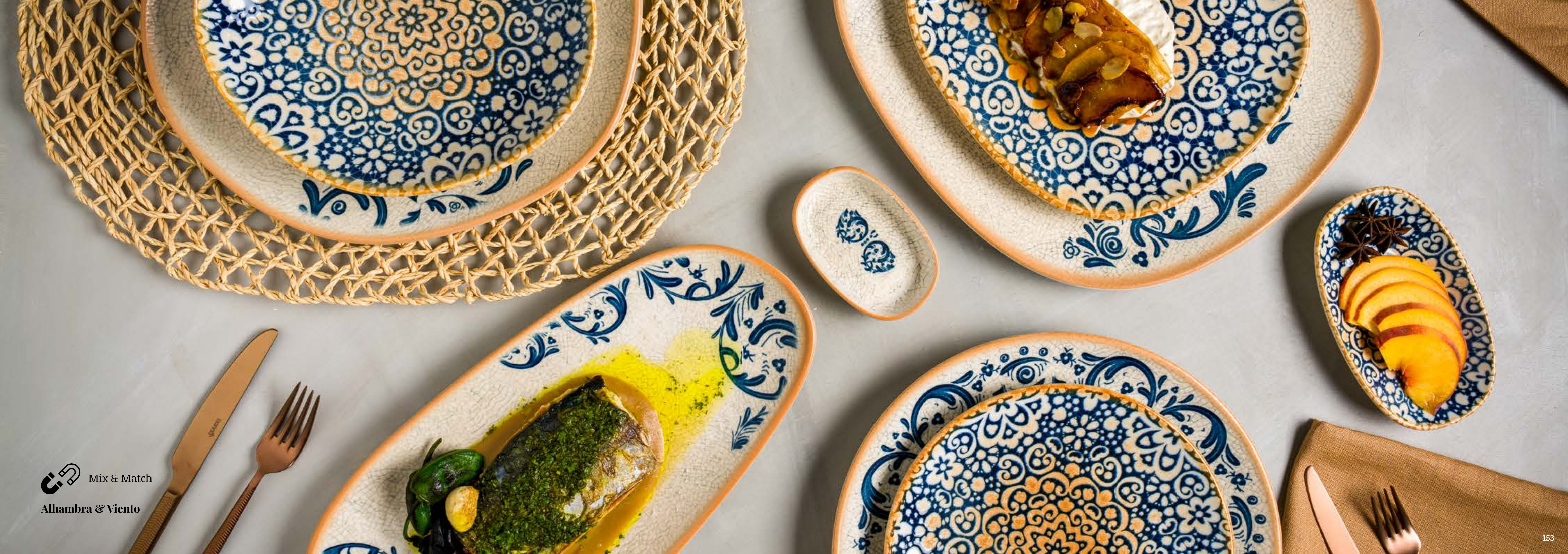
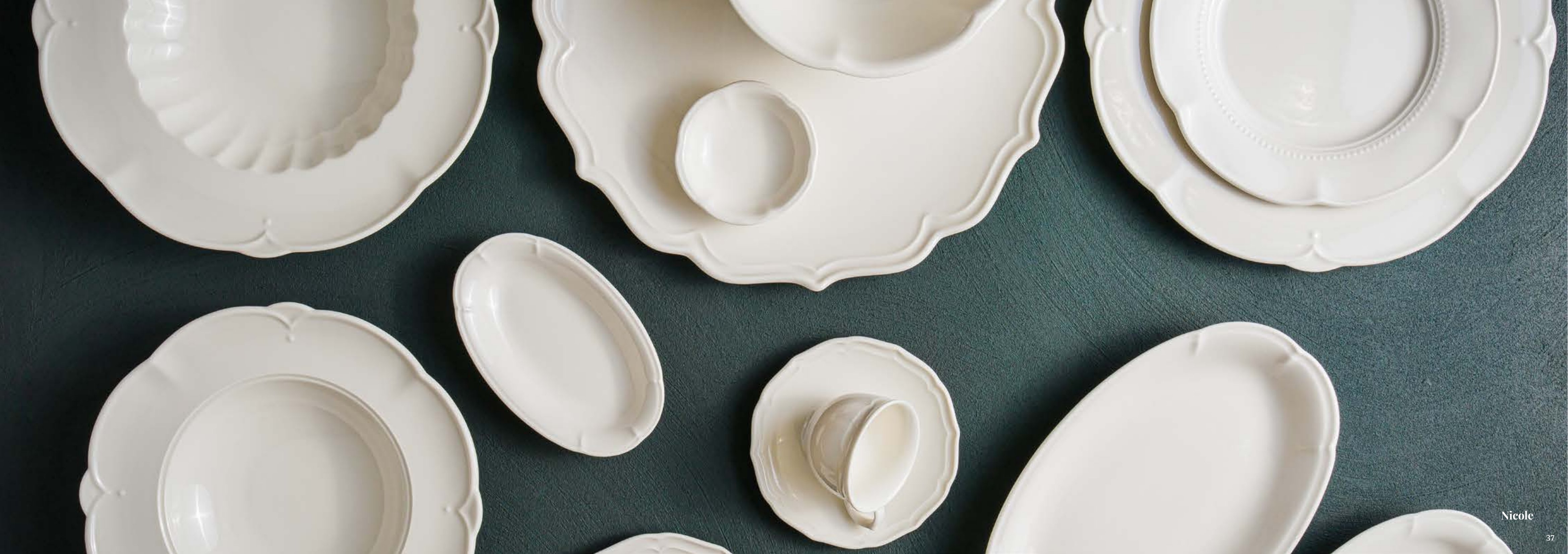
The charger (also called a service plate or underliner) is the large decorative plate the whole setting is built around. It never holds food directly — plated courses arrive on their own plates set on top, and the charger is usually cleared before the main. Its job is to anchor the cover, keep the table looking dressed between courses, and add a layer of polish. Beneath and around it sit your workhorse pieces: dinner plates, quarter/side plates and bowls. A single, tonally matched range — a hotelware line such as Bonna or Onis — keeps rims, whites and finishes consistent across every table, which matters far more than any one "hero" plate. Browse crockery options when you're building a coordinated set.
Forks, knives and spoons
Left to right, outside-in, blades turned in. Forks share the same base line, and matched weights across the range read as deliberate. Cutlery is the one thing guests physically hold for the whole meal, so heft and balance are worth getting right — a professional flatware line such as Metinox gives you a full run of dinner, starter, dessert and soup pieces that match. See the full cutlery range.
Glassware
The water glass sits closest, near the knife tip; wine and other glasses fan out to the lower right, or sit in a neat row angled toward the guest. Even a café benefits from a tumbler, a stemmed water glass and a wine glass that clearly belong to the same family — Paşabahçe and Bormioli Rocco both offer coordinated ranges from tumblers to stemware. Explore glassware to match your service style.
The napkin
On the charger, in the water glass, or to the left of the forks — pick one placement and keep it identical across every cover in the room. Consistency is what the eye actually registers as "well set."
Setting an Indian Restaurant Table
Indian service follows the same left/right logic, but is built around shared, simultaneous courses rather than sequential ones.
- A thali (or a large quarter/dinner plate) is centred as the base.
- Katoris — small curry bowls — sit along the top edge of the thali or in a row above it: one each for dal, sabzi, curd/raita and a sweet.
- The water glass goes upper-right, as always.
- A spoon (and often a small fork) goes to the right; many restaurants set a single spoon for gravies and rice, adding cutlery only on request.
- Serving pieces — a rice bowl, a basket or plate for roti, and serving spoons — are shared to the centre of the table.
Because katoris and thalis multiply quickly (four to six bowls per cover is common), matching them tonally across your crockery range keeps a busy thali looking composed rather than mismatched.
Banquet and Buffet Settings
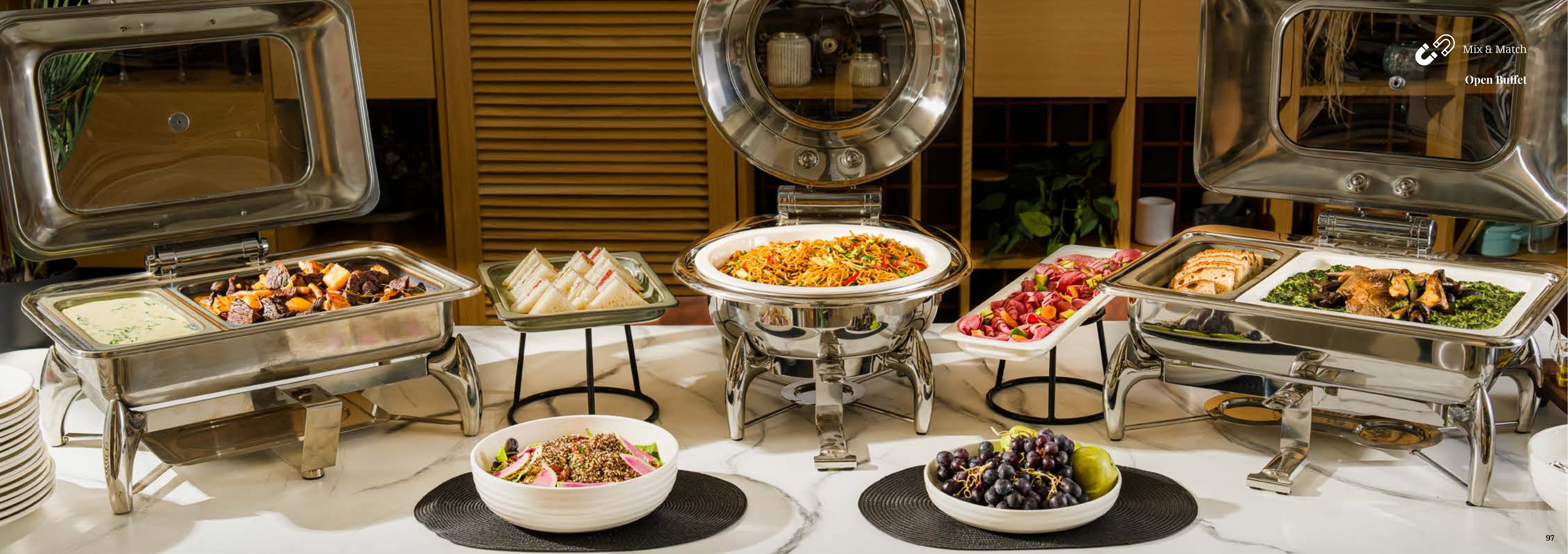
Banquet covers are pre-set identically across the whole room for speed and uniformity: charger or base plate, a fixed number of cutlery pieces, folded napkin and pre-poured water glass, all aligned to the same grid so a hundred covers look like one. Buffets flip the model — the setting travels to the food. Stacks of plates and bowls sit at the counter's start, with cutlery (often napkin-rolled) and glassware near the end, so guests collect as they go. Both formats reward durable, well-stocked, easily replaceable ranges over delicate one-offs, and both are far simpler to run when serveware, crockery and cutlery come from one coordinated catalogue.
How the Setting Decides How Much You Buy
Here is the sourcing punchline: the setting style you commit to is really a per-cover multiplier on everything you purchase. Add a course and you add a plate, a fork, a knife and often a glass to every seat — then multiply by covers, and again by par level (typically 2–3× your seats, so you always have clean stock while the rest is being washed).
| Service style | Crockery / cover | Cutlery / cover | Glassware / cover |
|---|---|---|---|
| Café / QSR | 1–2 | 2–3 | 1 |
| Casual dining | 2–3 | 3–4 | 1–2 |
| Indian thali | 5–7 (thali + katoris) | 1–2 | 1 |
| Fine dining | 3–5 | 7+ | 3–4 |
This is exactly why buying a matched range from a single supplier pays off: mixing brands mid-range leaves you with whites that don't quite agree and pieces you can't reliably reorder next quarter. Decide the setting first, then source the whole cover — plate, cutlery and glass — as one coordinated family.
Whether you're outfitting a 40-seat café or a 300-cover banquet hall, the fastest route to a table that looks intentional is a matched range bought once, from one place. Tell us your service style and cover count and we'll build a coordinated crockery, cutlery and glassware list you can reorder for years. Request a wholesale quote or WhatsApp us on +91 95152 27616.
Frequently Asked Questions
Sourcing tableware for your venue in Bangalore?
Browse 11,000+ pieces across 12 premium brands, or send us your list for a wholesale quote.