How to Reduce Crockery and Glassware Breakage in Your Restaurant
Breakage is one of those quiet costs that never gets its own line in the P&L, yet it bleeds a busy kitchen every single week. A cracked side plate here, a chipped wine glass there, a whole rack of tumblers lost to one careless stack — over a year it adds up to real money, plus the hidden cost of running short mid-service. The good news: breakage is almost always a systems problem, not bad luck. Fix the systems and most operations can cut their annual replacement spend meaningfully without buying anything "unbreakable." Here is a practical framework we share with the restaurants, hotels and cafés we supply across India.
Where breakage actually happens
Before you spend on new stock, find out where your pieces are dying. In most kitchens it is a handful of predictable pinch points.
The bus tub and clearing station
More crockery is lost at clearing than at the table. Staff overload bus tubs, scrape plate-on-plate, and drop cutlery onto glass rims. Separating waste, stacking like-with-like, and never resting a glass inside a plate stack removes a surprising share of losses at zero cost.
The dishpit and racking
Glass-to-glass contact in the wash is the single biggest killer of glassware. When tumblers and stemware share an unsorted rack, they knock rims during loading, washing and unloading. Chips start microscopic, then propagate until a glass shatters days later — which is why breakage often looks "random."
Stacking and storage
Tall, uneven stacks of plates put uneven load on the foot ring and edges. Stack too high and the bottom pieces micro-crack; grab from a leaning stack and the top slides off. Bowls nested without a liner grind their glazes together.
Thermal shock
Pulling a cold glass straight to a hot-water wash, or a fresh-from-the-warmer plate under cold running water, stresses the material until it cracks. Thermal shock rarely breaks a piece on the spot — it weakens it for a later, "unexplained" failure.
Choose materials that forgive handling
You cannot train away every accident, so let the material absorb some of it. There is no truly unbreakable option, but the gap between a fragile piece and a chip-resistant one is large.
| Material | Best for | Chip / break behaviour | Where it fits |
|---|---|---|---|
| Fully toughened (tempered) glass | Tumblers, water & juice glasses, high-turnover bars | Far more impact- and thermal-shock-resistant than annealed glass; breaks into small blunt pieces | Paşabahçe, Ocean Glass, Arcoroc tempered ranges |
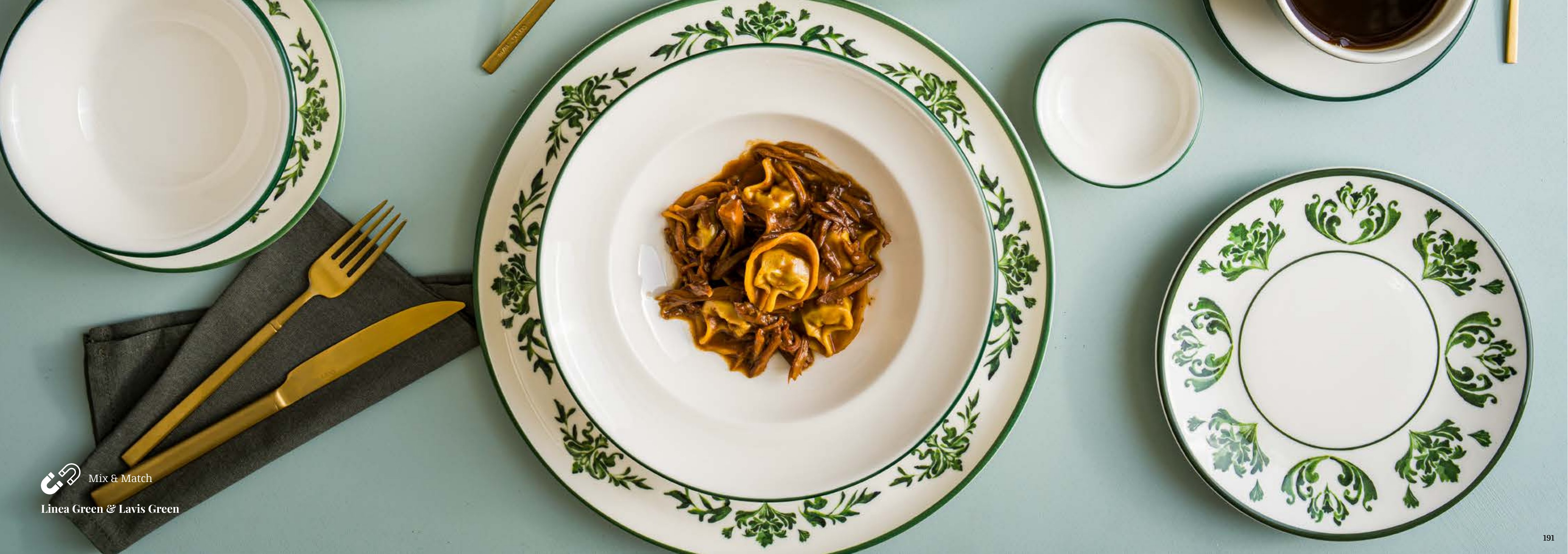
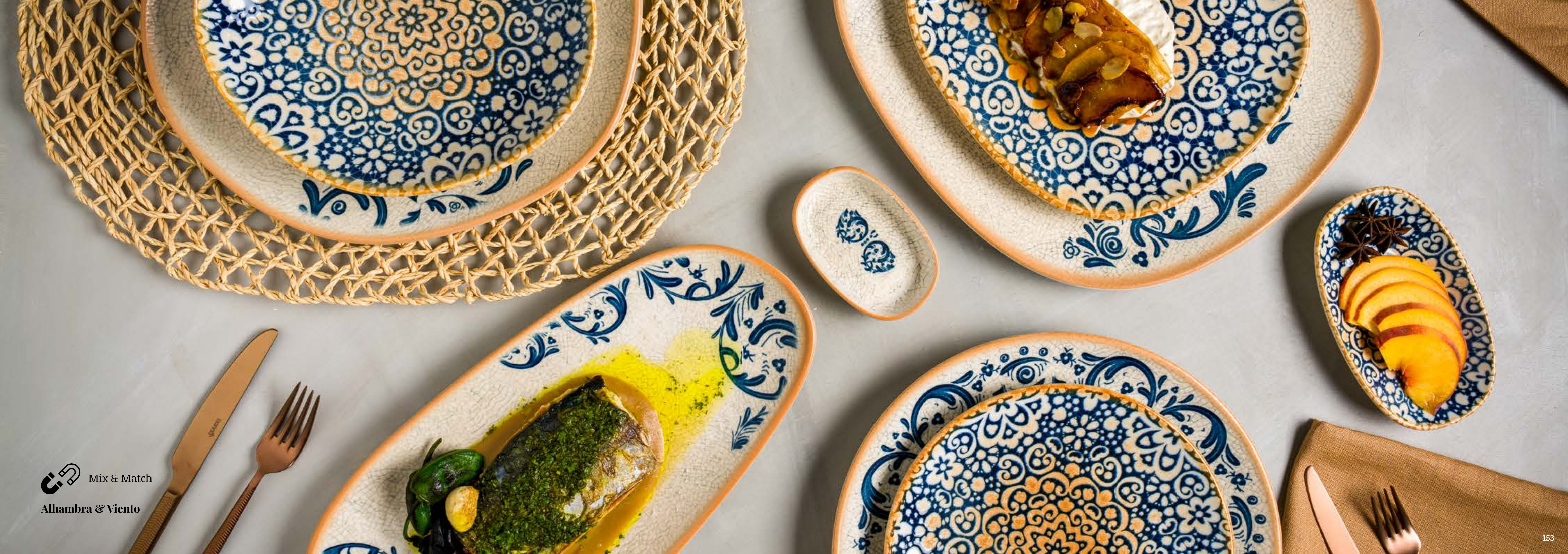
| Edge-reinforced hotel porcelain | Plates, bowls, platters in full-service dining | Dense body with a hardened rim resists the edge chips that retire most plates | Bonna hotel porcelain |
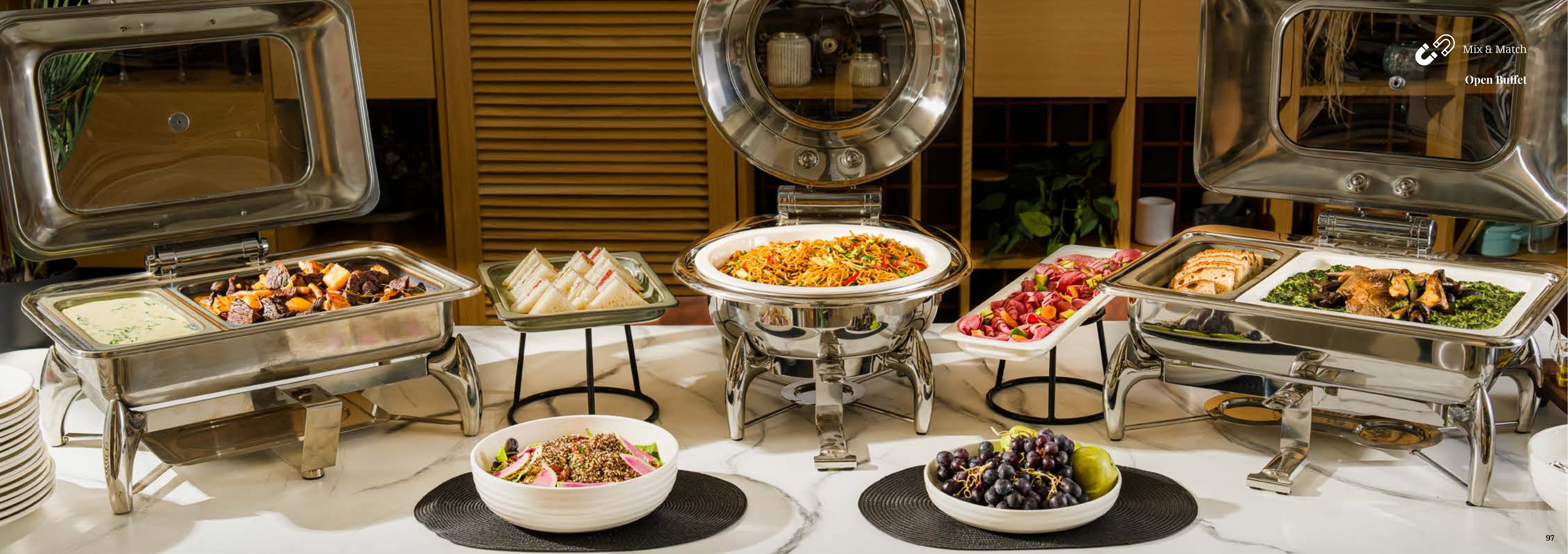
| Opalware | Cafés, cloud kitchens, banquets, breakfast buffets | Light, non-porous, resists chipping and scratching; tolerates rough handling | Stehlen everyday ranges |
| Annealed / thin decorative glass | Wine, cocktails, premium presentation | Elegant but fragile; reserve for controlled service | Fine stemware, kept at lower par |
For high-volume water and soft-drink service, toughened tumblers are the obvious win — you can browse toughened options across our glassware range. For plated food, hotel-grade porcelain with a reinforced edge (the reason Bonna is popular in full-service dining) outlasts thin retail crockery by a wide margin, while Stehlen opalware is the pragmatic choice where handling is rough and turnover is high. See both in our crockery collection.
Standardise on open-stock ranges
The most underrated breakage strategy has nothing to do with toughness: buy patterns that stay in production and are sold open-stock, one piece at a time. When you can top up a single broken plate from the same range next month, breakage becomes a small, planned cost. When you buy a discontinued or full-set-only pattern, one broken plate can force you to change the whole table look — or run mismatched. Standardising a few core shapes across your menu also means fewer SKUs to store, stack and replace. Our full catalogue is built around open-stock, repeatable ranges for exactly this reason.
Get the racks and handling right
Kit and discipline matter as much as material:
- Sort glasses into compartment racks so rims never touch. One rack type per glass shape.
- Cap stack heights — set a maximum number of plates per stack and per shelf, and post it.
- Use bus tubs with dividers and train staff to scrape into bins, not plate-on-plate.
- Handle glasses by the base or stem, never bunched by the rims in one hand.
- Break the thermal-shock cycle: let hot pieces cool slightly and cold pieces warm before they hit water of the opposite temperature.
None of this costs much. It is mostly about making the right behaviour the easy default.
Set par levels and buffer stock
Running short mid-service pushes staff into rushed, risky handling — the exact behaviour that causes more breakage. Avoid it with proper par levels: the working quantity you need to run a full-covers service without waiting on the dishpit. Set par at peak covers times the number of times a piece turns during service, then add a buffer for breakage and pieces in the wash. A common starting point for durable items is a 15–20% buffer over working par; raise it for fragile stemware and high-turnover glassware, lower it for rarely used serveware. Reorder before you dip into the buffer, not after.
Train staff and track breakage as a KPI
What gets measured gets managed. Keep a simple breakage log — a clipboard or a shared sheet — recording what broke, where and when. Within a few weeks patterns appear: a particular station, shift or rack is usually responsible for the bulk of losses. Treat breakage as a real KPI, review it monthly against covers (breakages per 1,000 covers is a fair, size-neutral measure), and fold five minutes on handling into new-staff onboarding. Celebrate improvement rather than punishing accidents, or you will simply teach people to hide the evidence.
Breakage cause and the fix
| Where it breaks | Root cause | Practical fix |
|---|---|---|
| Bus tub / clearing | Overloading, plate-on-plate scraping | Divided tubs, scrape into bins, cap load |
| Dishpit | Glass-to-glass contact in the wash | Compartment racks, sort by glass shape |
| Storage shelves | Tall, uneven stacks; nested bowls | Cap stack height, use liners, level shelves |
| At service | Running short, rushed handling | Correct par levels + breakage buffer |
| "Random" later failures | Thermal shock, earlier micro-chips | Toughened glass, avoid temperature swings |
| Frequent edge chips | Thin retail crockery | Edge-reinforced hotel porcelain / opalware |
Put together, these moves compound: forgiving materials reduce the damage from the accidents that slip through, standard ranges make replacements cheap, and good racks, par levels and training reduce how often accidents happen at all.
If you would like help specifying chip-resistant crockery, toughened glassware and the right par levels for your covers, our team can build a wholesale quote around your menu and volumes. Reach us via our contact page or WhatsApp +91 95152 27616, and we will recommend open-stock ranges you can top up easily for years.
Frequently Asked Questions
Sourcing tableware for your venue in Bangalore?
Browse 11,000+ pieces across 12 premium brands, or send us your list for a wholesale quote.