Restaurant Plate Sizes & Types: The Complete Buying Guide
A menu can be flawless in execution and still look ordinary if it lands on the wrong plate. Plate choice is one of those decisions that seems minor until you notice how much it actually controls — portion size perception, the negative space around the food, how "premium" a dish feels, and how efficiently your kitchen and stewarding team can store and turn over crockery during service.
For restaurant owners, hotel F&B teams and purchase managers, plate selection is really a sourcing decision with three layers: the right type (function), the right size (portioning and plating), and the right shape (visual style). This guide walks through all three, with sizes in both inches and centimetres, so you can build — or rebuild — a plating range that actually fits your menu.
Why Plate Choice Matters More Than Most Kitchens Realise
Plates aren't a neutral background. They actively shape how a dish reads and how a kitchen runs.
- Portion framing. A generous main looks skimpy on an oversized plate and cramped on an undersized one. Matching plate diameter to portion size is one of the cheapest ways to control perceived value.
- Plating negative space. Fine-dining plating leans on empty rim space to draw the eye to the food; casual and family-style service needs less rim and more usable surface.
- Brand perception. Rim style, glaze finish and plate weight all read as quality cues to guests before they taste anything.
- Stackability & storage. Inconsistent plate profiles waste shelf and pass space and slow down stewarding. A coordinated range stacks cleanly and predictably.
Getting the type, size and shape right for each course solves most of this in one move.
The Core Restaurant Plate Types (and Sizes)
Most menus are built from a handful of recurring plate types. Exact dimensions vary slightly by manufacturer, but the ranges below are what buyers typically plan around.
Charger / presentation plate
Roughly 12–13 in / 30–33 cm. A charger sits under the dinner plate as a decorative base for a formal cover, and is usually cleared once the first course arrives.
Dinner plate
Roughly 10–11 in / 26–28 cm. The workhorse of the table, used for main courses. This is also where "entrée" and "banquet" plates differ: a standard dinner/entrée plate sits around 10–11 in, while a banquet plate — used for buffets, weddings and large-format events — runs a size larger to hold bigger portions or multiple items at once.
Quarter / side / starter plate
Roughly 8 in / 20 cm. Used for starters, salads and side dishes, and — in Indian kitchens — as the base plate for a thali spread.
Dessert plate
Roughly 7 in / 18 cm. A size smaller than the quarter plate, so desserts and sweets look generous rather than lost on too large a surface.
Bread & butter (B&B) plate
Roughly 6 in / 15 cm. A small side plate for bread and condiments, or as an underliner for a cup.
Soup, pasta and cereal bowls
Beyond flat plates, most menus also need a soup plate or rimmed soup bowl, a pasta/coupe bowl (wider and shallower, so sauce stays visible), and a cereal or salad bowl for breakfast service and casual mains.
Here's how these typically line up:
| Plate / bowl type | Typical size (approx.) | Primary use |
|---|---|---|
| Charger / presentation plate | 12–13 in / 30–33 cm | Formal cover base, decorative underliner |
| Banquet plate | 11–12 in / 28–30 cm | Buffets, weddings, large-format events |
| Dinner / entrée plate | 10–11 in / 26–28 cm | Main courses |
| Quarter / side / starter plate | 8 in / 20 cm | Starters, salads, thali base |
| Dessert plate | 7 in / 18 cm | Desserts, sweets |
| Bread & butter plate | 6 in / 15 cm | Bread, condiments, underliner |
| Soup plate / rimmed bowl | 8–9 in / 20–23 cm | Soups, wet-plated mains |
| Pasta / coupe bowl | 9–11 in / 23–28 cm | Pasta, risottos, sauced dishes |
| Cereal / salad bowl | 5–6 in / 13–15 cm | Breakfast cereals, small salads |
Treat these as planning ranges — always confirm exact dimensions on the specific range you're ordering. Check current sizes and finishes in our crockery collection.
Plate Shapes: Round, Coupe, Rimmed, Square and Beyond
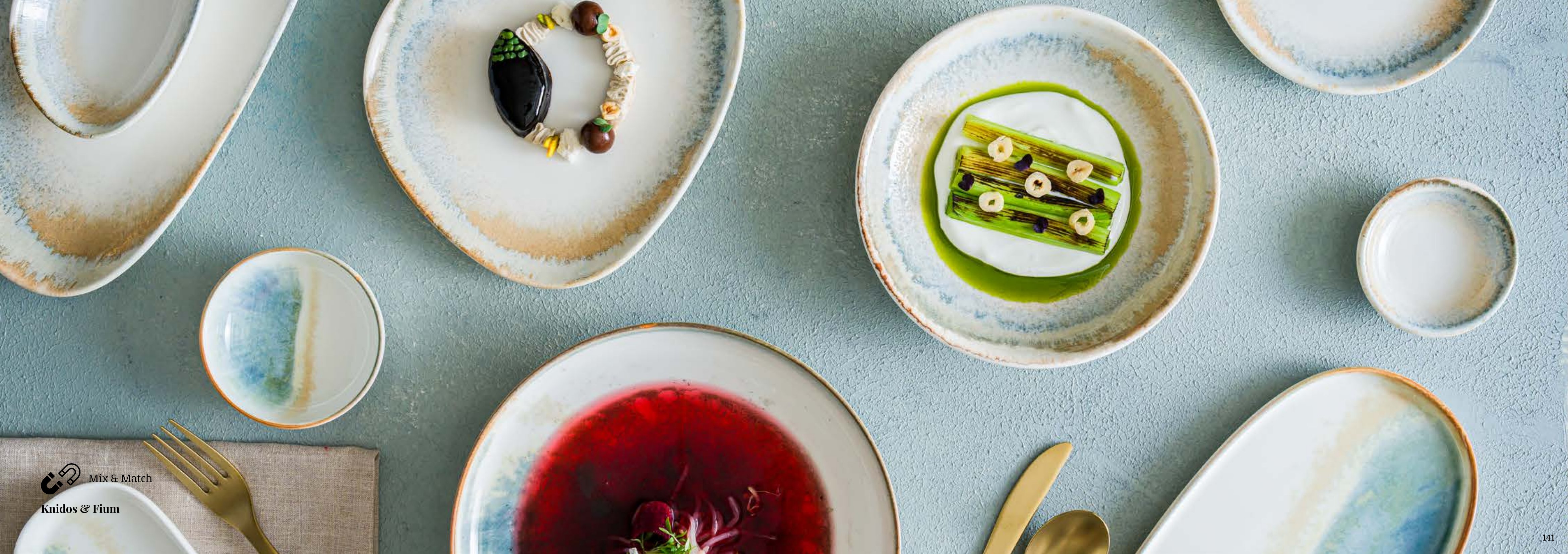
Size determines portioning; shape determines style. The main options:
- Round — the default, most versatile shape, easiest to stack and store, and the safest choice for a menu spanning multiple cuisines.
- Coupe (rimless) — curves smoothly from centre to edge with no raised rim. Reads modern and minimal, and suits contemporary plating where the food itself is the visual focus.
- Rimmed / winged — a defined border separates the rim from the well. Gives plating more structure and is forgiving of sauces, garnish and multi-component dishes.
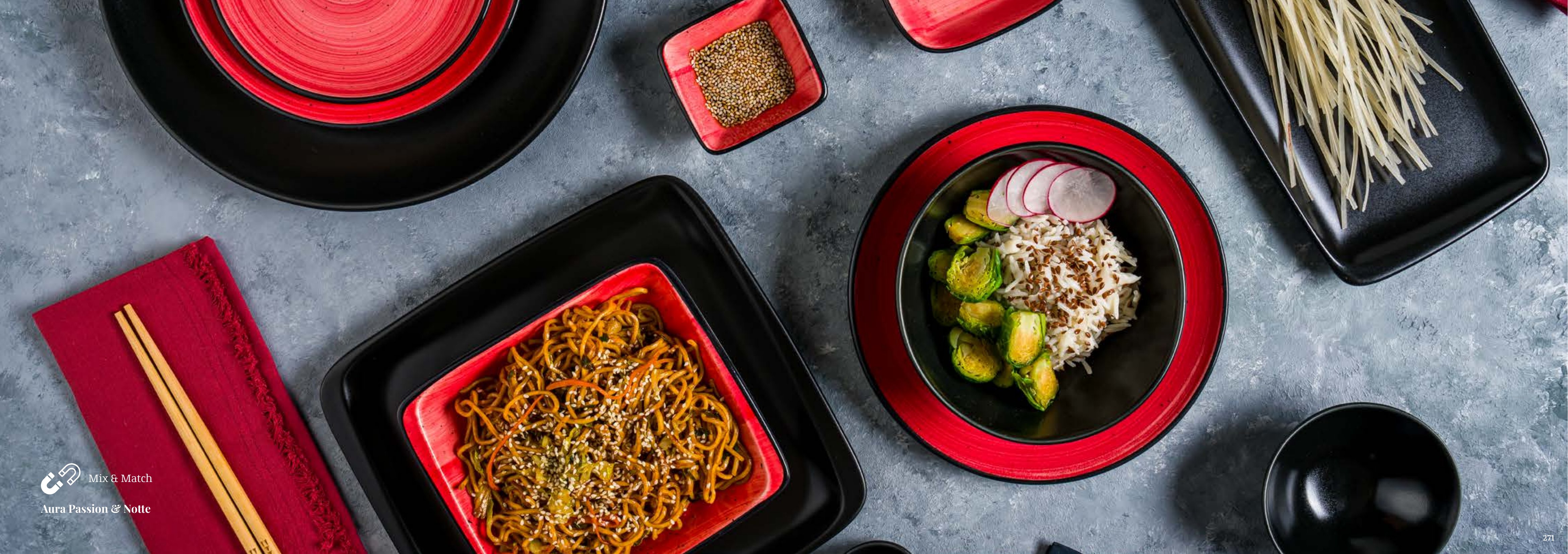
- Square & rectangular — used selectively for starters, sushi or degustation courses to break visual monotony; less practical for high-volume stacking.
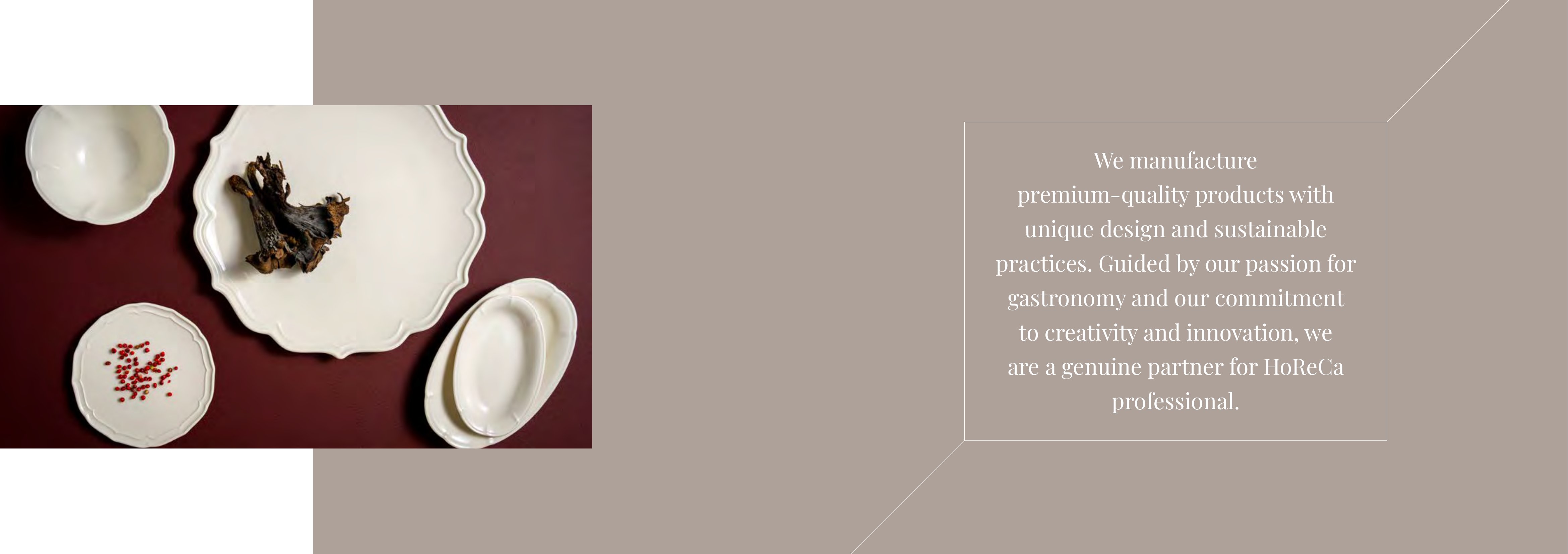
- Organic / irregular — asymmetric or freeform shapes for signature dishes; more of a styling accent than a core service item.
Fine dining tends to favour coupe and rimmed porcelain for a clean plating surface; casual dining leans on durable round plates for speed and stacking; Indian curry and thali service benefits from rimmed profiles that contain gravies without spilling onto the table.
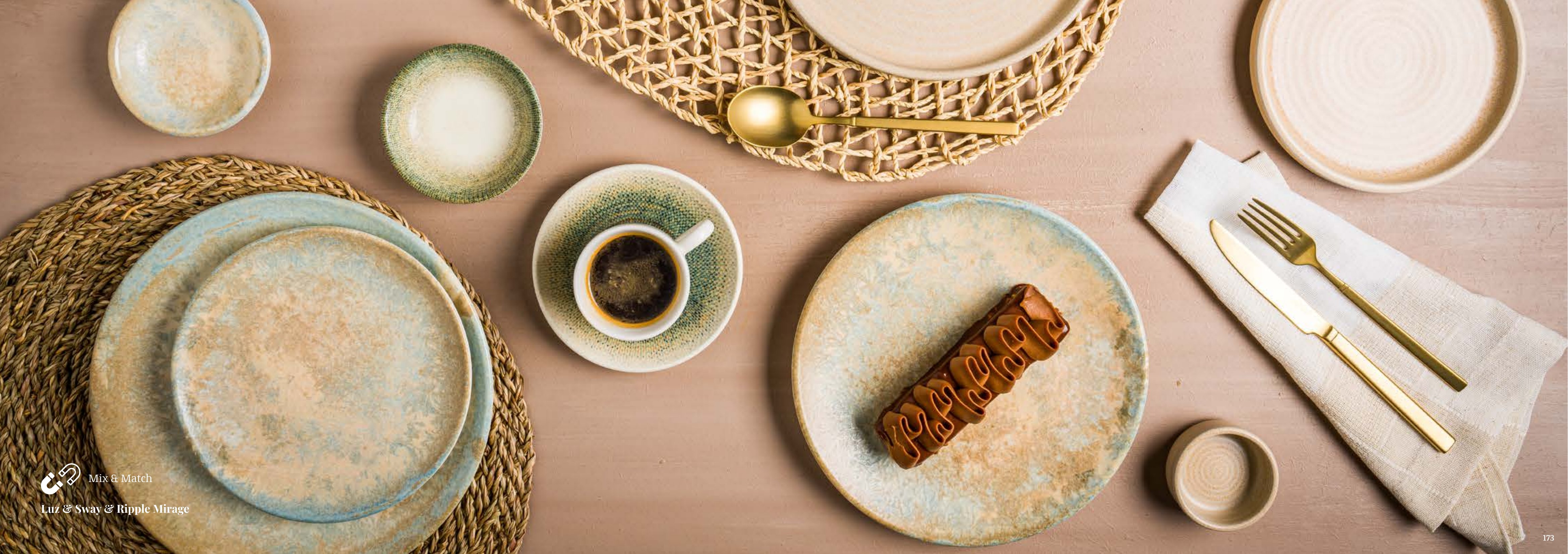
Professional porcelain ranges such as Bonna and Onis illustrate this well — both offer coupe and rimmed options within one coordinated collection, so a kitchen can mix plating styles without the table looking mismatched. Browse both styles in our collections.
Indian & Thali Service: A Category of Its Own
Most restaurant-plate guides are written for Western à la carte service and skip the format that actually dominates Indian F&B — the thali.
A well-run thali or curry-service setup typically draws on:
- Quarter plates (8 in / 20 cm) as the base plate for the thali itself.
- Katoris (small bowls) for curries, dals and accompaniments — usually several per cover.
- Round or rectangular platters for rice, bread and shared items.
- Rimmed plates wherever gravies are served directly on the plate, to prevent spillage.
Indian menus often run higher cover turnover than Western fine dining, so chip-resistance and easy open-stock reordering matter even more here — you don't want a signature katori discontinued mid-season. If you run thali, buffet or curry-heavy service, it's worth talking to our team about matching bowl and platter sizes to your existing range.
How Many Plate Types Does a Restaurant Actually Need?
More SKUs isn't better — it's more storage, more breakage exposure and more capital tied up in slow-moving stock. Most full-service restaurants run comfortably on:
- One dinner/entrée plate for mains
- One quarter/starter plate for starters, salads and sides
- One dessert plate
- One soup bowl or rimmed bowl
- A charger, only if you run a formal, multi-course cover
Quick-service and casual concepts can often drop to three types; banquet and event-heavy operations add banquet plates and platters on top. The goal is a standardised, coordinated range — same rim style, same glaze — across every course, so replacements match seamlessly and the table reads as one considered decision.
Buying Smart: Durability, Stacking and Reordering
A few sourcing habits save real money over a plate range's working life:
- Chip-resistance first. Dense, high-fired vitrified porcelain resists chipping and edge damage far better than standard ceramic ware — the edge is where almost all breakage starts.
- Check stacking tolerances. Profiles that nest cleanly reduce shelf footprint and pass-station clutter, and speed up stewarding.
- Budget a breakage buffer. Order a small percentage over your exact cover count so service never runs short while replacements are in transit.
- Stay on open stock. Choose ranges available for ongoing reorder, not one-off collections, so a broken plate years from now still matches the rest of the set.
- Don't mix shapes carelessly. A rimmed range and a coupe range can coexist on one menu, but avoid randomly blending unrelated glazes or rim widths within the same course — it should read as intentional, not inconsistent.
Ready to Build Your Plating Range?
Whether you're outfitting a new restaurant, standardising a hotel banquet operation, or simply replacing broken stock, getting plate type, size and shape right up front saves cost and hassle later. Browse the full range at our collections or go straight to the crockery collection to shortlist sizes for your menu.
For wholesale pricing and bulk-order quotes, get in touch with our team or WhatsApp us directly at +91 95152 27616 — we'll help match the right plate types and sizes to your covers.
Frequently Asked Questions
Sourcing tableware for your venue in Bangalore?
Browse 11,000+ pieces across 12 premium brands, or send us your list for a wholesale quote.